Archive for Januar, 2021

Opioid and Opiate Withdrawal: Symptoms and Treatments

Donnerstag, Januar 28th, 2021

opiate detox

Due to how quickly you may develop tolerance and dependence to this drug, however, its use in modern medicine was replaced by safer options. The following list of medications are related to or used in the treatment of this condition. When you take opioids for a long period of time, you can become dependent on them. Even treatment plans that include using an MOUD don’t have a specific time frame. The length of time will really depend on how you respond to the treatment. If you’re interested in stopping MOUD, you should only do it in close collaboration with your treatment team.

Unlock this article — plus daily intelligence on Capitol Hill and the life sciences industry — by subscribing to STAT+.

For many patients, opiates can be an essential component of their initial pain management plan. However, their use should be carefully monitored and limited to the shortest duration possible to minimize the risk of addiction. Understanding the role of opiates in pain management is the first step toward making informed decisions about their use. Rehab centers that offer the most effective opioid treatment programs (OTPs) are able to treat opiate use disorders with medications, behavioral therapy, and other proven addiction treatment methods. Withdrawal symptoms from opioids can be very uncomfortable but are rarely life-threatening. There are recent updates to the current management of opioid withdrawal syndrome.

How does heroin affect the body?

Because relapse is so common after detox, it is important to be aware of how quickly your tolerance level can change. Talk to your doctor about getting a Narcan kit that you can keep on hand in case of emergency (Narcan can reverse an opioid overdose). Inpatient detox facilities are a great way to get through withdrawal in a safe, trigger-free environment, but they can be prohibitively expensive.

What are the signs and symptoms of opioid withdrawal?

In animals that had been trained to drink alcohol, they would press a lever repeatedly to obtain it. Sinclair found that if the longer they were deprived of alcohol, the more they would press the lever. He termed this phenomenon the alcohol deprivation effect, likening it to the increased alcohol cravings that make it hard for people with AUD to stay abstinent and avoid a binge. Unlike many traditional approaches to alcohol recovery, the Sinclair Method is a medication-based approach.

The half-life is the time it takes for your body to get rid of half the substance. Substances with shorter half-lives tend to have shorter withdrawal periods. If you’re undergoing opioid withdrawal, you might find it harder to fall asleep.

opiate detox

Many systems in your body are altered when you take large amounts of opioids for a long time. Withdrawal effects occur because it takes time for your body to adjust to no longer having opioids in your system. Although very useful to treat pain, these drugs can cause physical dependency and addiction. Scientists use the half-life of a substance to measure how long it stays in your system.

opiate detox

Naltrexone is available as an oral tablet (50 mg), and the usual dose for alcohol treatment is 50 to 100 mg. Dosing should start at 25 mg orally for a single dose and be repeated in an hour if there are no withdrawal signs. Administration with or after meals may minimize adverse gastrointestinal (GI) effects. The extended-release formula increases the blood concentration of buprenorphine more gradually than the sublingual version, which could explain why fewer people experience induced withdrawal.

In most cases, these side effects are mild and lessen with time as people become more accustomed to the medication or can be minimized by taking the medication with food. Regular naltrexone use can also increase the sensitivity of opioid receptors, a process known as upregulation. As a result, drinking adderall and cardiovascular risk alcohol can feel much more rewarding if naltrexone use is suddenly stopped. This can cause excessive drinking, which is why consistently using naltrexone before every drink is critical for success. If you or a loved one are looking for opioid addiction treatment services and programs, we can help.

Some research suggests that the best way to prevent recurrence of OUD is to remain on one of these medications for the long term. Opiates are opioids that come from nature (specifically from the opium poppy plant), like heroin, morphine, and codeine. There are no longer any limits on the number of patients with OUD that a practitioner may treat with buprenorphine. These can show up within 12 hours after you take the last dose of the drug. Mild withdrawal can be treated with acetaminophen (Tylenol), aspirin, or nonsteroidal anti-inflammatory drugs (NSAIDs) such as ibuprofen.

opiate detox

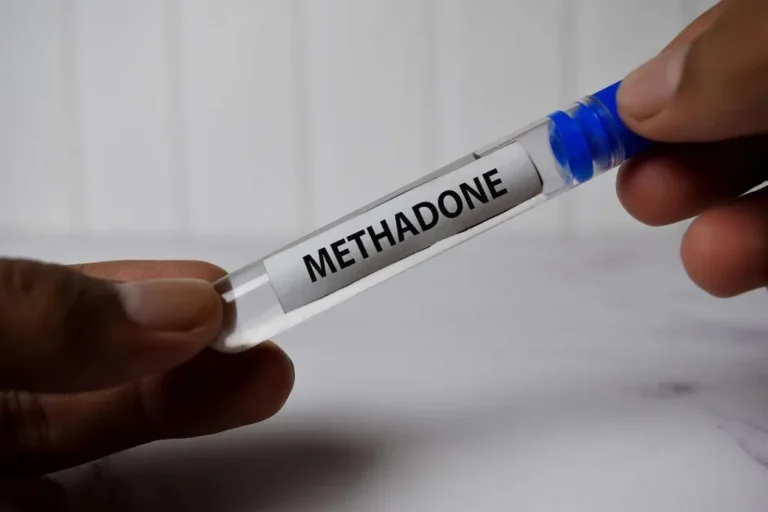
Long-term addiction treatment involves a multi-pronged approach that includes medical, social, and therapeutic support. Your medical approach may include a long-term maintenance dose of methadone or Suboxone or you might want to stop using opioids entirely. Eventually, you may become so dependent on the medication that when you stop taking it, your body reacts and you feel very sick. Opioids are pain relievers sometimes prescribed to people experiencing severe pain. Some people who take these medications develop opioid use disorder.

The details of umbilical cord collection have been described by our team previously [15]. Having a strong support network can significantly impact your recovery and help you avoid the pitfalls of opiate addiction. Surround yourself with family, friends, and support groups who can alcoholism: can people with alcohol use disorder recover offer encouragement and understanding. Sharing your experiences and challenges with others who have gone through similar situations can provide valuable insights and emotional support. A balanced diet rich in nutrients can support your body’s healing process and help manage pain.

This article also describes opioid withdrawal by stage and provides information on when to contact a doctor and the dangers of opioid use disorder. Prescription opioids are usually safe to use for a short time and as directed by your doctor. If you need to stop taking long-term opioids, talk with your doctor. To do it safely, you need to take less of the drugs slowly over time as a medical team keeps a close watch over you. Seeking help for opioid addiction will improve your overall health and reduce your risk of relapse, accidental overdose, and complications related to opioid addiction. To diagnose opioid withdrawal, your primary care doctor will perform a physical examination and ask questions about your symptoms.

For most people, symptoms gradually reduce within 7–10 days of their last use of the drug. Physical withdrawal should disappear in a week or less, and psychological cravings will be much less intense. A person may be unable to distract themselves or think about anything else. Opioid drugs, like oxycodone or morphine, can help with pain when you have surgery or when you’ve been injured. Even if you don’t experience vomiting, nausea can be very uncomfortable. Muscle cramps and joint pain can also be present during opioid withdrawal.

Going through opioid detox without medical support causes needless suffering, so you’re going to need to reach out for help. If you’ve been abusing oxycodone by crushing it up to bypass the extended-release mechanism, then your withdrawal symptoms will come on quicker. If you’ve been using your medication as directed, on a regular schedule, then your withdrawal symptoms may be slower to appear (especially if you’re taking extended-release tablets). The signs and symptoms of oxycodone withdrawal can vary from person to person.

  1. To diagnose opioid withdrawal, your primary care doctor will perform a physical examination and ask questions about your symptoms.
  2. Inpatient or specialty outpatient treatment is also a great option if you are pregnant.
  3. Naloxone reverses the effects of opioids during an emergency if you stop breathing.
  4. The extended-release formula increases the blood concentration of buprenorphine more gradually than the sublingual version, which could explain why fewer people experience induced withdrawal.
  5. This is why heroin can lead to a condition known as heroin use disorder.

Opioid addiction is different from opioid dependence because it involves intense cravings and drug use that interferes with daily life. Oxycodone is a highly addictive drug, however, so it is not uncommon for a physical dependence to escalate into 9 liquor storage ideas for small spaces a full-blown addiction. But with the right treatment plan, you can minimize withdrawal symptoms as you taper off of opioids. And if you have OUD, specific medications — called medications for opioid use disorder (MOUD) — can help as well.

How To Overcome The Boredom When You Stop Drinking Alcohol?

Donnerstag, Januar 21st, 2021

drinking out of boredom

Boredom and isolation are known relapse triggers for people with substance use disorders. An important way to safeguard your sobriety is to be aware of this and take steps to mitigate it. She typically works with people interested in taking a holistic approach to treating their addictions. This will include healthy eating, movement, meditation, mindfulness and spirituality. Outside of work, she’s a devotee of Krishna, and her friends call her Karunya Shakti, which means compassionate energy. She enjoys singing and dancing in kirtan and reading ancient Vedic literature like the Bhagavad Gita and the Srimad Bhagavatam.

Being Bored When You’re Quitting Drinking

When you get sober, you realize there is an entire daytime pulse in your city or town that you never really felt before. Things that people do during that day that don’t involve recovering or boozy brunch. What did you enjoy doing before drinking came around and took over your social life? If you must dig WAY back into childhood for this answer, then do that. When I quit drinking, I was lucky to have a spouse that supported my decision. When you remove alcohol from your life, you free up all the time you spent drinking and recovering from drinking.

Learn a New Skill or Take a Class

drinking out of boredom

These healthy diversions fill a gap that drinking might otherwise fill. The winter months often meet a halt to favorite outdoor activities. This shift in routine, coupled with earlier darkness and cold temperatures, can lead to SAD. Many bored drinkers likely don’t realize they’re bored drinkers.

  1. For those who didn’t work from home, only 12% were prone to excessive drinking.
  2. Trying to prevent boredom or override the feeling by eating and finding other distractions doesn’t always work.
  3. When that’s the case, it’s a sign of deeper problems that need solving.
  4. Disordered eating can sometimes seem similar to boredom eating, but it’s a more dangerous condition.
  5. By seeking professional help, you can find resources to stop drinking and address ongoing issues that can make a huge difference in your recovery.

Mental Health Treatment

drinking out of boredom

Learning a new skill keeps your mind active and engaged, providing a sense of purpose and accomplishment. You can learn a new language, take a cooking class, or enroll in a course at a local community college. When you challenge yourself to learn something new, you build your confidence and expand your knowledge base, which can help create a fulfilling life in sobriety. It also provides a great opportunity to connect with others with similar interests.

A sure sign of problematic bored drinking is failing to achieve hobby-related goals. There are plenty of situations where having a drink is a great way to celebrate an accomplishment. Unfortunately, mdma wikipedia problems can surface if you use “I deserve it” to justify bored drinking. Sure, having a single drink while alone might not seem like a problem if you eat well and exercise.

Drinking out of boredom is how some choose to deal with the dull moments life throws at us. According to Medical News Today, the average adult in the United States experiences around 131 days of boredom per year. How we react to the state of boredom is critical to our ongoing mental health, experts state.

See if there are organisations around you where you could help out, that would love to use your skills and talents. Whether it’s your partner, friends or colleagues, ask those who know you for ideas of things you can experiment with to fill your time differently. Don’t assume people are too busy to see you, all they need is to know that you would like to meet up.

It’s important to remember that traveling in recovery may come with its own set of challenges, such as navigating triggers or finding supportive resources in unfamiliar locations. Planning alcohol withdrawal symptoms and staying connected with your support network can help ensure a safe and enjoyable trip. Boredom can be a common relapse trigger for those in recovery, especially in the earliest stages.

Remember, it’s not that sobriety is terrible, but that your brain is trying to grapple with the sudden loss of dopamine. Depending on the severity of the symptoms, your doctor may even recommend medication to help treat depression and anxiety. I have gone to bars with people I genuinely like as a sober person, and I don’t stay for longer than an hour or two if nothing is happening. It’s hard to fill that time, especially when dealing with alcohol cravings and triggers. The great news is that you now have many options, an endless supply of options. When you were drinking, cracking open a bottle was the default option, now that you can’t go there you have to think about other things to do.

When you use alcohol (or any substance) to artificially boost serotonin and dopamine levels in your brain, you create an imbalance in the brain. To be bored means that you’re feeling uninterested in your current activity. The feeling often occurs when the day has been monotonous or repetitive. Especially when it comes to psychological types of hunger like boredom eating, external factors often trigger the urge to eat.

Moderate alcohol consumption has the potential to enliven social situations. But when you add bored drinks to social drinking, alcohol has the opposite effect. You might plan to start learning a new language during downtime, but put it off in favor of having a drink. Or you lose interest in an existing hobby because it’s easier to drink.

But self-medicating like this is not just bad for your body, but it is also likely to make your mental health worse. Drinking out of boredom because you feel anxious is likely to make you feel worse because alcohol is a depressant, so if you are already feeling low, it makes those feelings more extreme. It’s very common for people, especially those with additional mental health issues like depression and anxiety, to drink out of boredom. Regularly consuming alcohol when you’re bored has both short-term and long-term effects on your health, even if it doesn’t lead to a drinking disorder.

Part of it is definitely that I’ve had a rough month and struggle with depression, but another part is simply that it’s a slow day. Just imagining the next few hours slowly alcohol and dopamine does alcohol release dopamine creeping by – with nothing but my thoughts to occupy me – really makes me crave that drink. Traveling can also help you gain a new perspective and appreciate the world.

Tracking your alcohol consumption can help you identify patterns and situations that lead to boredom drinking. By practicing self-awareness and reflection, you can develop healthier habits and coping mechanisms to replace boredom drinking. This will help you regain control of your life and improve both your mental and physical health. Self-awareness and reflection are essential in identifying triggers for boredom drinking. By recognizing your emotions and thought patterns, you can uncover the triggers for boredom drinking, empowering you to make positive changes in your life. When discussing boredom in recovery, I often suggest that my clients look at some of the activities they are willing to do to help pass the time when feeling bored.

Alcohol withdrawal syndrome: mechanisms, manifestations, and management PMC

Mittwoch, Januar 20th, 2021

alcohol withdrawal

According to a 2015 article, an estimated 50 percent of people with an alcohol use disorder go through withdrawal symptoms when they stop drinking. Doctors estimate that 3 to 5 percent of people will have severe symptoms. Some people experience a severe form of alcohol withdrawal known as DTs. A person with this condition can have a very high heart rate, seizures, or a high body temperature. Alcohol withdrawal symptoms can be greatly reduced or even eliminated with proper medical care.

alcohol withdrawal

Treatments for Alcohol Withdrawal

Alcohol withdrawal is a potentially serious complication of alcohol use disorder. It’s important to get medical help even if you have mild symptoms of withdrawal, as it’s difficult to predict in the beginning how much worse the symptoms could get. Symptoms of alcohol withdrawal are caused by stopping or strongly reducing alcohol consumption in a person living with a chronic alcohol use disorder. The latter is known to be caused by a combination of genetic, psychological, and social factors. People with alcohol use disorder should be monitored by a medical professional when withdrawing from alcohol.

  • Comprehensive patient care entails acute management and outpatient support in the hospital setting.
  • When you stop consuming alcohol after prolonged, heavy use, your CNS can’t respond or regulate itself fast enough.
  • If you have a sibling or parent with alcoholism, then you are three or four times more likely than average to develop alcoholism.
  • Over time, your central nervous system adjusts to having alcohol around all the time.

1. Benzodiazepines

This highlights the severity of the condition and the need for immediate medical attention. Doctors usually use a type of drug called benzodiazepines to reduce alcohol withdrawal symptoms. Alcohol withdrawal syndrome is the group of symptoms that can develop when someone with alcohol use disorder suddenly stops drinking. AWS is more common in adults, but children and teenagers who drink excessively may also experience the symptoms.

Benzodiazepines

  • When the supply of alcohol is suddenly stopped or decreased, withdrawal symptoms can develop.
  • Alcohol withdrawal is widespread among people with alcohol use disorders who decide to stop drinking or reduce their intake.
  • It’s estimated that about 75% of people following acute alcohol withdrawal experience prolonged symptoms.
  • In addition to benzodiazepines, a person may also require other medications, such as phenytoin, barbiturates, and sedatives, which include propofol, ketamine, or dexmedetomidine.
  • Doctors estimate that 3 to 5 percent of people will have severe symptoms.

If your symptoms are mild (or perhaps even moderate), your doctor may suggest that you reach out to a friend or family member to help you monitor your symptoms at home. In some cases, AWS can be a medical emergency and — if complications arise — potentially life threatening. Alcohol withdrawal is a natural physical response your body goes through when trying to break an alcohol dependence.

History and exam

If you need to quit drinking, don’t let https://ecosoberhouse.com/ scare you off. There are medications and treatments available that can help you get through those first early days of no alcohol consumption. Your doctor can help by prescribing medications for alcohol withdrawal that can alleviate or even stop some of your symptoms. Seizures can occur within 6 to 48 hours, while hallucinations can occur within 12 to 48 hours after drinking is reduced or stopped, says Dr. Nolan. This is considered a medical emergency because it can lead to permanent brain damage.

alcohol withdrawal

Stage 3: Severe Withdrawal

If you need help finding a primary care doctor, then check out our FindCare tool here. Research shows that only a small portion of people with AWS require medical treatment. If you decide to get treatment, your doctor can recommend the type of care that you need. It’s important to be honest about your alcohol use — and any other substance use — so your provider can give you the best care. Alcohol (ethanol) depresses (slows down) your central nervous system (CNS). If you consistently consume significant amounts of alcohol, your CNS gets used to this effect.

Symptoms and Causes

Mild Symptoms

alcohol withdrawal

Alcohol Detox