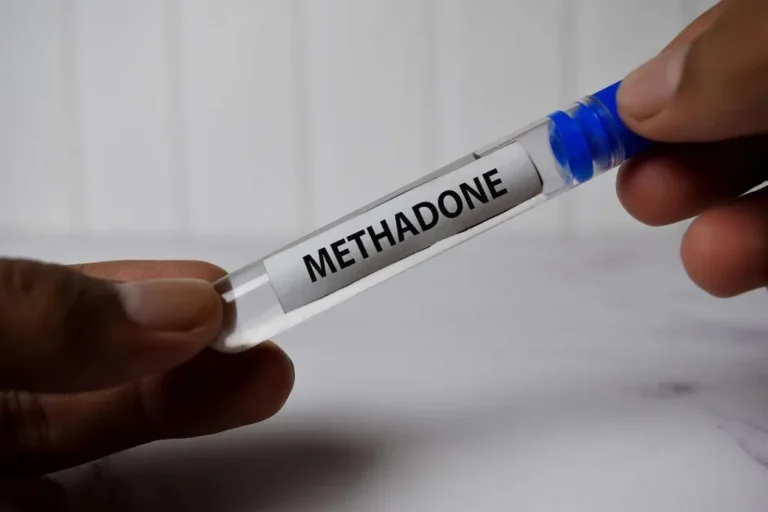
According to a 2015 article, an estimated 50 percent of people with an alcohol use disorder go through withdrawal symptoms when they stop drinking. Doctors estimate that 3 to 5 percent of people will have severe symptoms. Some people experience a severe form of alcohol withdrawal known as DTs. A person with this condition can have a very high heart rate, seizures, or a high body temperature. Alcohol withdrawal symptoms can be greatly reduced or even eliminated with proper medical care.
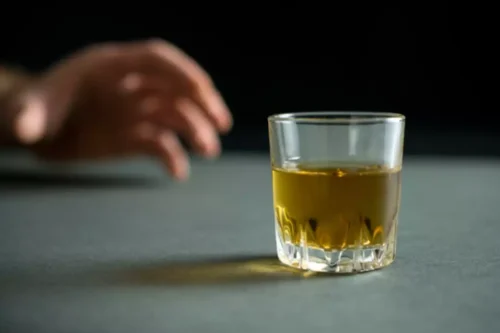
Treatments for Alcohol Withdrawal
Alcohol withdrawal is a potentially serious complication of alcohol use disorder. It’s important to get medical help even if you have mild symptoms of withdrawal, as it’s difficult to predict in the beginning how much worse the symptoms could get. Symptoms of alcohol withdrawal are caused by stopping or strongly reducing alcohol consumption in a person living with a chronic alcohol use disorder. The latter is known to be caused by a combination of genetic, psychological, and social factors. People with alcohol use disorder should be monitored by a medical professional when withdrawing from alcohol.
- Comprehensive patient care entails acute management and outpatient support in the hospital setting.
- When you stop consuming alcohol after prolonged, heavy use, your CNS can’t respond or regulate itself fast enough.
- If you have a sibling or parent with alcoholism, then you are three or four times more likely than average to develop alcoholism.
- Over time, your central nervous system adjusts to having alcohol around all the time.
1. Benzodiazepines
This highlights the severity of the condition and the need for immediate medical attention. Doctors usually use a type of drug called benzodiazepines to reduce alcohol withdrawal symptoms. Alcohol withdrawal syndrome is the group of symptoms that can develop when someone with alcohol use disorder suddenly stops drinking. AWS is more common in adults, but children and teenagers who drink excessively may also experience the symptoms.
Benzodiazepines
- When the supply of alcohol is suddenly stopped or decreased, withdrawal symptoms can develop.
- Alcohol withdrawal is widespread among people with alcohol use disorders who decide to stop drinking or reduce their intake.
- It’s estimated that about 75% of people following acute alcohol withdrawal experience prolonged symptoms.
- In addition to benzodiazepines, a person may also require other medications, such as phenytoin, barbiturates, and sedatives, which include propofol, ketamine, or dexmedetomidine.
- Doctors estimate that 3 to 5 percent of people will have severe symptoms.
If your symptoms are mild (or perhaps even moderate), your doctor may suggest that you reach out to a friend or family member to help you monitor your symptoms at home. In some cases, AWS can be a medical emergency and — if complications arise — potentially life threatening. Alcohol withdrawal is a natural physical response your body goes through when trying to break an alcohol dependence.
History and exam
If you need to quit drinking, don’t let https://ecosoberhouse.com/ scare you off. There are medications and treatments available that can help you get through those first early days of no alcohol consumption. Your doctor can help by prescribing medications for alcohol withdrawal that can alleviate or even stop some of your symptoms. Seizures can occur within 6 to 48 hours, while hallucinations can occur within 12 to 48 hours after drinking is reduced or stopped, says Dr. Nolan. This is considered a medical emergency because it can lead to permanent brain damage.

Stage 3: Severe Withdrawal
If you need help finding a primary care doctor, then check out our FindCare tool here. Research shows that only a small portion of people with AWS require medical treatment. If you decide to get treatment, your doctor can recommend the type of care that you need. It’s important to be honest about your alcohol use — and any other substance use — so your provider can give you the best care. Alcohol (ethanol) depresses (slows down) your central nervous system (CNS). If you consistently consume significant amounts of alcohol, your CNS gets used to this effect.
Symptoms and Causes
Mild Symptoms